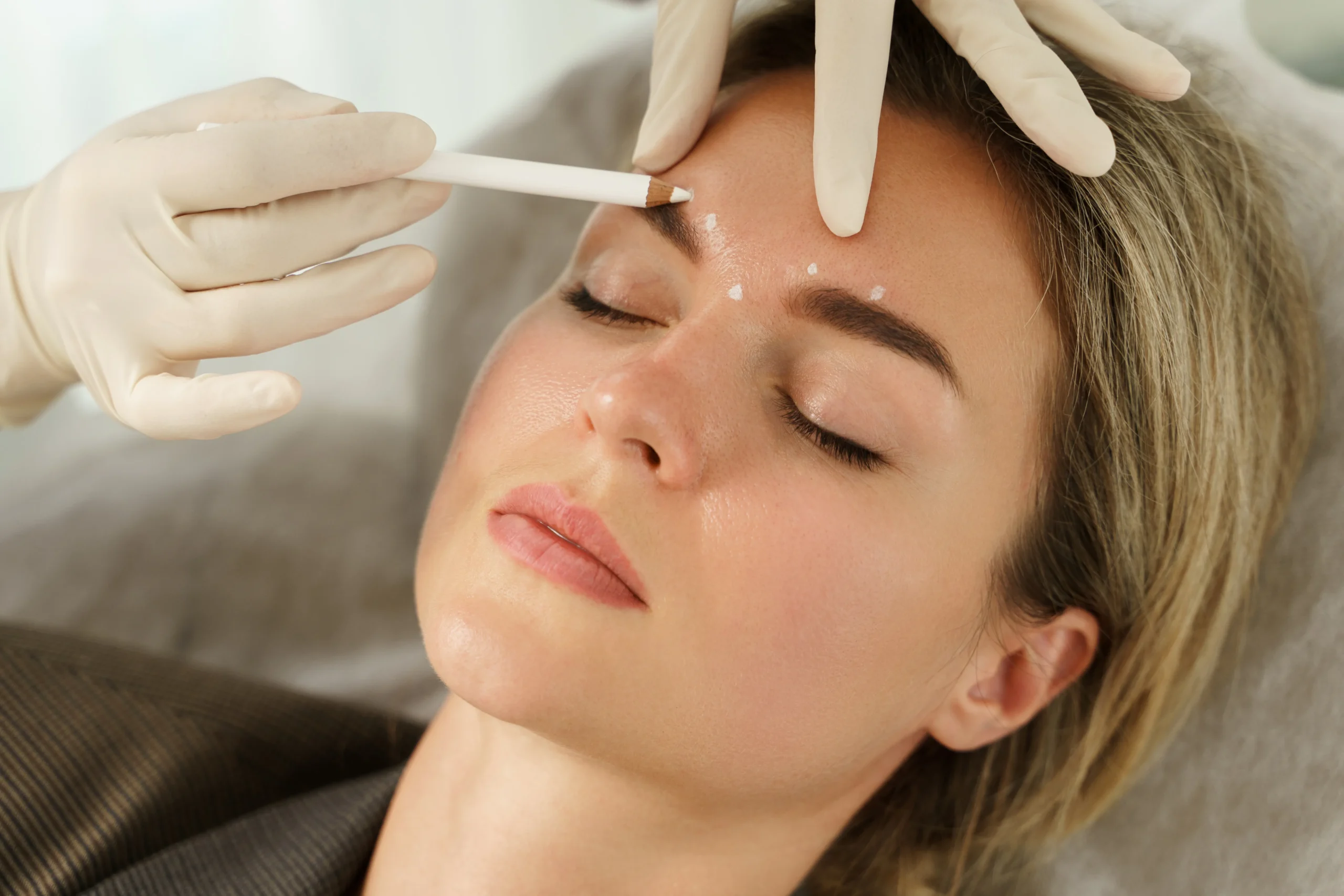
Botox is an injection used to relax the muscles that cause wrinkles, among other uses. This neurotoxin-based treatment offers both therapeutic and aesthetic applications, making it a versatile option for addressing various facial concerns. Understanding how Botox works, its applications in facial aesthetics, and what patients can expect from treatment provides valuable insight into this popular cosmetic procedure.
Understanding How Botox Functions
Botox contains botulinum toxin type A, a purified protein that temporarily blocks nerve signals to targeted muscles. When injected into specific facial muscles, Botox prevents these muscles from contracting fully. This mechanism proves particularly effective for addressing dynamic wrinkles, lines that form from repeated facial expressions such as frowning, squinting, or raising eyebrows.
The treatment works by interrupting the communication between nerves and muscles at the injection site. Once the muscle receives reduced nerve signals, it relaxes and softens, leading to a smoother appearance of the overlying skin. The effects typically begin to appear within three to seven days after injection, with full results visible within two weeks.
Botox treatments target specific muscle groups while leaving surrounding areas unaffected. This precision allows practitioners to address particular areas of concern without altering overall facial expression or mobility. The temporary nature of Botox means that muscle function gradually returns as the treatment wears off, typically within three to six months.
Exploring Primary Applications
Botox addresses multiple aesthetic concerns across different areas of the face. The most common applications focus on the upper face, where dynamic wrinkles tend to be most prominent. Horizontal lines across the forehead develop from repeatedly raising the eyebrows, and Botox injections into the frontalis muscle can significantly reduce their appearance. The treatment smooths these lines while maintaining natural eyebrow movement and expression.
Crow’s feet, the fine lines that radiate from the outer corners of the eyes, respond well to Botox treatment. These lines form from smiling, squinting, and other eye-related expressions. Injections into the orbicularis oculi muscle around the eyes can soften these lines and create a more youthful appearance. Glabellar lines, often called “11 lines” or frown lines, appear between the eyebrows as vertical creases. These lines result from frowning and concentrating, and Botox injections into the corrugator and procerus muscles can smooth this area effectively.
Identifying the Treatment Process
The Botox treatment process begins with a consultation where practitioners assess facial anatomy, discuss patient goals, and develop a treatment plan. During this evaluation, the practitioner examines muscle movement patterns and identifies optimal injection sites. The actual treatment typically takes 10 to 30 minutes, depending on the number of areas being addressed.
Pre-treatment preparation involves avoiding blood-thinning medications and supplements for several days before the procedure to minimize bruising risk. Patients should also avoid alcohol consumption for 24 hours prior to treatment.
Post-treatment care includes avoiding lying down for four hours after the injection and refraining from rubbing or massaging the treated areas.
Side effects are generally mild and temporary. Common reactions include slight swelling, redness, or bruising at injection sites, but these effects typically resolve within a few days. Results develop gradually over the first two weeks following treatment. The effects typically last three to six months, after which repeat treatments maintain the results.
Find a Dermatologist
Botox treatment in facial aesthetics offers a minimally invasive approach to addressing signs of aging and enhancing facial appearance. The treatment’s ability to target specific muscle groups while preserving natural expression makes it an attractive option for many patients seeking facial rejuvenation. To learn more about Botox, consult with a qualified medical professional.